
Into the Ditch
Yea, though I walk through the valley of the shadow of death, I will fear no evil; for You are with me; Your rod and Your staff, they comfort me. Psalm 23:4, NKJV
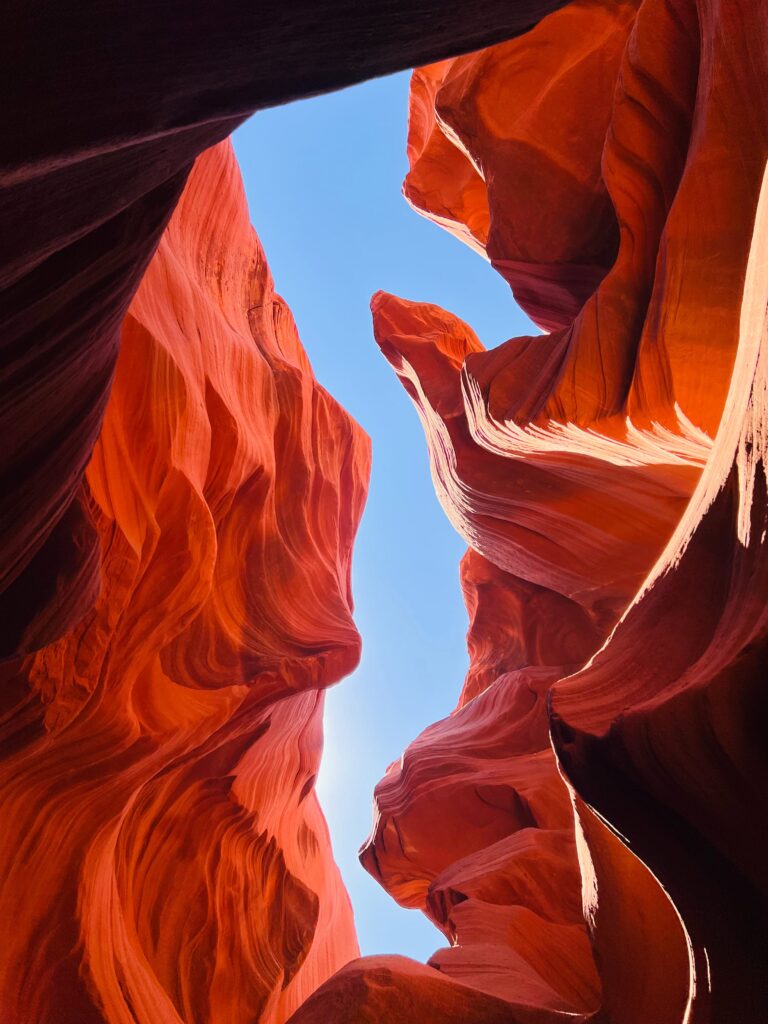
Each year nearly five million people from all over the globe visit the Grand Canyon in northern Arizona. What’s crazy is that you can leave the Hoover Dam—one of the Seven Engineering Wonders of the World—and in less than four hours be standing at the rim of the Grand Canyon—one of the Seven Natural Wonders of the World.
“The Ditch”—as some call the Grand Canyon—is truly one of those natural spectacles that you have to experience to believe. My friend Kyle is semi-obsessed with the Ditch. At age 58 he did what’s called a “Rim to River” hike where he made the more than one-mile elevation descent to the canyon floor and then hiked back up to the South Rim. The trek took him 10 hours and covered about 22 miles and more than two miles’ total elevation drop and gain. He caught the “Ditch Itch” and the following year backpacked from the South Rim to the North Rim over a three-day period. (That one’s called a Rim-to-Rim.)
What’s crazy about the Grand Canyon is that only 1% of visitors ever step below the rim. And while the view is indescribable from the top, getting below the rim—even a quarter mile down—is an entirely different experience. As you descend it gets warmer—it can be snowing on the rim and be 80 degrees at the bottom. It’s definitely like few places on earth.
While some of us may never get the chance to hike to the bottom of the Grand Canyon and back, we all experience the depths of life’s ditches—sickness, death, and the vicissitudes of a fallen world. We have no choice—we find ourselves in the canyon, or as King David called it, the valley of the shadow of death.
Only a fool goes into The Ditch without the poorly prepared and equipped. In fact, each year otherwise healthy, fit hikers need to be rescued due to hyponatremia—when the concentration of sodium in your blood is abnormally low. It can happen if you drink too much water but don’t replace electrolytes, and the effects can be life-threatening.
As God’s men, how do we brace for the next “grand canyon” event to come? While we can’t choose when and how crises occur, we can prepare our “gear kit”: stay intimate with the Father; maintain relationships with our brothers; study His Word. The mole wants you to bonk along the steep trails of life’s canyons—but you can avoid “spiritual hyponatremia” by attending to your relationship with the Creator of all things.
Father, keep my heart and mind attuned to You so I can withstand the rigors of life’s next canyon experience.